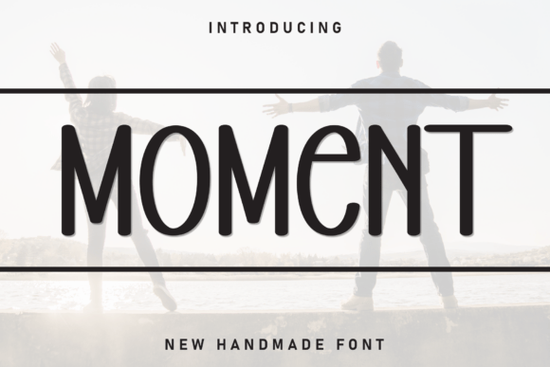
Choosing the right typography can make or break a creative project, especially when you need something that feels personal and warm. The Moment Font is a handwritten display typeface designed to bring a sense of sweetness and friendliness to your work. It stands out because it balances cute aesthetics with readability, making it a solid choice for designers who want their projects to feel inviting without looking messy.
Many crafters and small business owners look for fonts that convey emotion instantly. This typeface achieves that through its expressive strokes and playful curves. Whether you are designing for a wedding, creating social media graphics, or printing custom cards, the vibe here is consistently uplifting. It avoids the overly rigid structure of standard sans-serif fonts, offering a human touch that connects better with audiences.
What makes this handwritten style stand out?
The core appeal lies in its versatility. While some handwritten fonts are too messy for body text or too stiff for headlines, this one finds a middle ground. It works well as a display font for headlines but can also support short phrases where clarity matters. The lines are smooth, and the spacing feels natural, which reduces the need for excessive kerning adjustments.
If you enjoy experimenting with similar playful styles, you might also appreciate exploring other retro-inspired options that share this energetic feel. Pairing different display fonts can help you find the perfect match for your brand identity. For instance, combining a bold script with a cleaner sans-serif often yields professional results. The key is to ensure the secondary font doesn't compete for attention.
Where does this typeface work best?
Wedding invitations are a natural fit. The sweet and friendly tone aligns perfectly with the romantic and celebratory mood of marriage ceremonies. You can use it for the couple's names, dates, or special quotes on the save-the-dates. Beyond weddings, it is excellent for greeting cards. Birthday cards, baby showers, and thank-you notes all benefit from that personal handwritten look.
Print-on-demand sellers should consider this for products like mugs, t-shirts, and tote bags. Designs that crave an uplifting, fun touch perform well in niche markets like pet lovers or hobby groups. If you are looking for alternatives with a similar sugary vibe, comparing them side-by-side can help you decide which fits your specific product line better. Consistency across your shop helps customers recognize your brand.
Ideal projects for this font include:
- Wedding stationery and invitations
- Greeting cards and party decor
- Social media quotes and highlights
- Custom apparel and merchandise
- Logo design for boutique businesses
How do you pair it with other designs?
Typography pairing is about contrast. Since this font has a lot of character, it pairs best with simple, neutral typefaces. A clean sans-serif or a subtle serif works well for body text to ensure readability. You want the main message to pop while the supporting information remains easy to scan.
For those who prefer minimalism, you might look into simpler display options to balance out the expressiveness. Using a simple font for addresses or ingredient lists on packaging keeps the design organized. It prevents the overall layout from feeling too busy or overwhelming to the viewer.
Another strong contender for pairing is a complementary style that offers a bit more structure. When mixing fonts, try to keep the x-heights somewhat similar to maintain visual harmony. Testing your combinations in actual mockups before finalizing files saves time during the revision process.
What should you know before downloading?
Most modern display fonts come in standard formats like OTF or TTF, which work across Windows, Mac, and design software like Adobe Illustrator or Canva. Always check the license agreement, especially if you plan to use the font for commercial products. Some licenses cover personal use only, while others allow unlimited sales for physical end products.
Understanding typography basics can help you use these tools more effectively. Resources like Google Fonts Knowledge offer great primers on pairing and hierarchy. Investing time in learning these principles improves the quality of your output significantly.
Finally, remember that this specific collection is built for creativity. Don't be afraid to experiment with color and texture. Adding a slight shadow or placing the text over a watercolor background can enhance the handwritten feel. The goal is to make your audience feel something when they see your design.
Quick checklist before you start designing:
- Check the license: Ensure commercial use is allowed for your project.
- Test readability: Print a sample at actual size to verify clarity.
- Pair wisely: Choose a simple secondary font for body text.
- Mockup first: Visualize the font on the final product before selling.
- Backup files: Keep a copy of the font files in a dedicated folder.
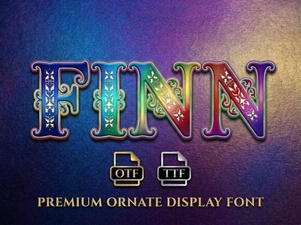 Finn Font: Typography for Craft & Creative Projects
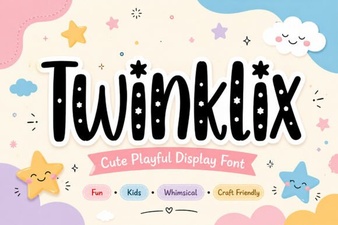 Discover the Twinklix Font for Creative Design Projects
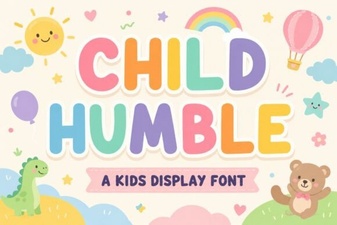 A Friendly Typeface for Children's Projects
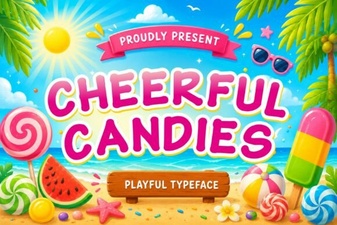 Cheerful Candies: a Playful Typography Guide
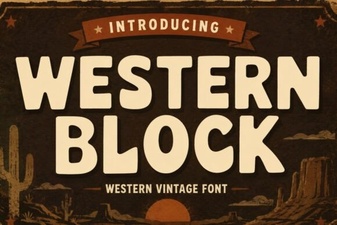 Western Font Designs for Modern Creative Projects
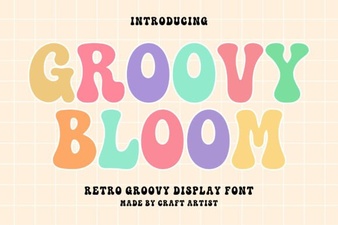 Groovy Bloom Font: Creative Display for Projects