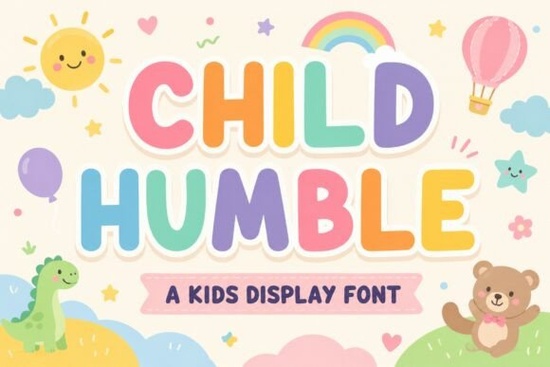
Choosing the right typography for children's projects can be tricky. You want something that feels fun and welcoming without being hard to read. That is exactly where the Child Humble Font shines. It is designed with rounded shapes and a cheerful personality that instantly brings joy to any layout. Whether you are making a birthday invitation or a nursery print, this typeface helps you connect with a younger audience effectively.
Many designers struggle to find display fonts that balance playfulness with legibility. When working on kids' branding or educational materials, the text needs to be clear enough for parents to read while still looking exciting for children. This specific style offers vibrant curves that mimic hand-drawn lettering but maintains consistent spacing for professional results.
What makes a font work for children's designs?
Not every playful typeface is suitable for every project. The best options usually share a few key characteristics that make them stand out in a crowded market. When selecting a font for youth-oriented products, keep these factors in mind:
- Readability: Even if the style is whimsical, the letters must be distinct. Avoid overly decorative glyphs that confuse similar characters like "a" and "o".
- Emotional Tone: The shape of the letters dictates the feeling. Rounded edges suggest safety and friendliness, while sharp angles might feel too aggressive for a nursery.
- Versatility: Can you use it for a headline and a subheader? A good display font should work across different sizes without losing its charm.
Using a typeface like Child Humble Font ensures you hit these marks. It provides that soft, approachable look that parents trust and kids love. This is crucial when you are designing packaging for toys or labels for school supplies.
Where can you use playful display typefaces?
The applications for this style of typography go far beyond just digital screens. Print-on-demand sellers and crafters can leverage these designs to create physical products that sell well. Here are some practical ways to incorporate these fonts into your workflow:
- Nursery Prints: Create wall art with inspiring quotes or names using large, bold letters.
- Birthday Invitations: Set the tone for a party immediately with a fun header on the invite.
- T-shirt Designs: Pair the text with simple graphics for apparel that stands out on a shelf.
- Educational Materials: Use clear, friendly letters for flashcards or worksheet headers.
- Kids Branding: Develop a logo for a daycare, toy store, or children's blog.
If you need something slightly different but still within the same vibe, there are other options to explore. For instance, if you want a style that feels a bit more structured, you might look at the Inell font. It offers a unique take on display typography that can complement softer styles.
How do you pair these fonts?
Using a display font is great for headlines, but you often need a secondary font for body text. Mixing typefaces correctly prevents your design from looking messy. A good rule of thumb is to pair a decorative header with a simple sans-serif for the details.
For example, if you use a rounded, bubbly font for the main title, choose a clean, neutral font for the address or instructions on an invitation. This creates contrast and guides the reader's eye. You might also consider pairing it with something like Finn if you need another display option that holds its own without clashing.
Color plays a huge role here as well. Bright, primary colors work well with cheerful fonts, but pastels can make the design feel softer and more modern. Always test your color combinations to ensure there is enough contrast for accessibility.
Are there alternatives for different themes?
Sometimes your project requires a specific theme that goes beyond just "cute." You might need something bolder or more retro. Exploring different categories within display fonts can help you find the perfect match for niche projects.
If you are working on a project that needs a bit more weight or a retro feel, checking out the Western Block style could be useful. It brings a different energy that works well for themed parties or specific branding needs. On the other hand, if you want something floral or organic, the Groovy Bloom font offers a nature-inspired aesthetic that pairs beautifully with illustrations.
Having a library of diverse fonts allows you to say yes to more client requests. It also helps you keep your own product shop fresh and varied. Customers appreciate when a designer can offer multiple styles that still feel cohesive.
Practical tips for finalizing your design
Before you send your files to print or upload them to a marketplace, do a final review. Zoom out to see how the design looks from a distance. Ask yourself if the message is clear within three seconds. Small adjustments in kerning or line height can make a big difference in the overall polish.
Remember to check the licensing terms for any font you download. Most creative assets allow for commercial use, but it is always good to verify if there are limits on the number of sales or specific restrictions on print-on-demand services.
Design Checklist:
- Verify legibility at small sizes.
- Check contrast between text and background.
- Ensure commercial licensing covers your use case.
- Save files in both vector and raster formats.
- Preview designs on mockups before publishing.
Start by experimenting with the Child Humble Font on your next children's project. Its friendly nature makes it a safe bet for almost any kids' theme, allowing you to focus on creativity rather than worrying about typography choices.
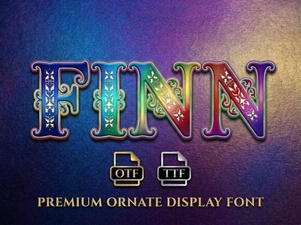 Finn Font: Typography for Craft & Creative Projects
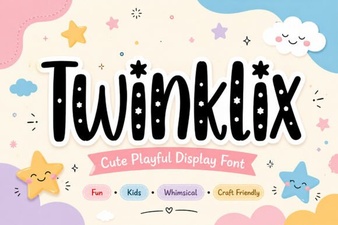 Discover the Twinklix Font for Creative Design Projects
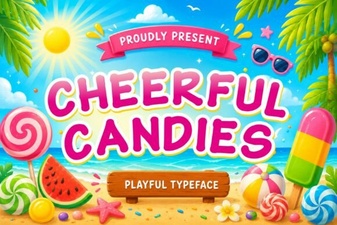 Cheerful Candies: a Playful Typography Guide
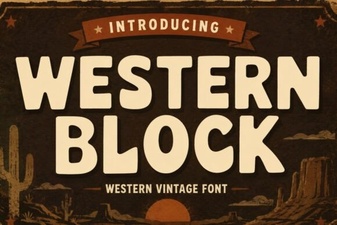 Western Font Designs for Modern Creative Projects
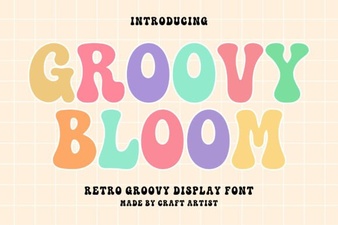 Groovy Bloom Font: Creative Display for Projects
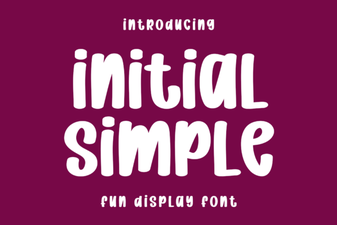 Initial Simple Font: Free Download and Design Ideas