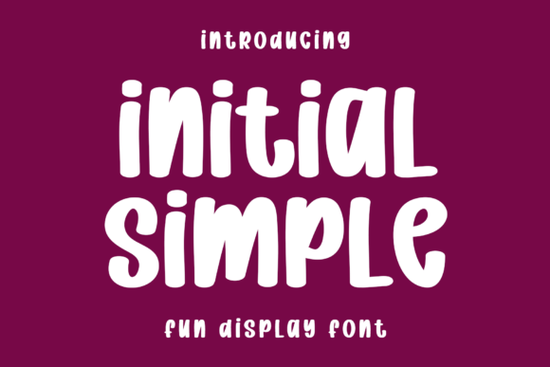
Finding a handwritten script that feels personal yet professional can be difficult for many designers. You want something that looks like a real signature but remains readable across different mediums. The Initial Simple Font addresses this need by offering a modern elegance that works well for branding and stationery. It balances fluid motion with clear structure, making it a reliable choice for projects that require a touch of class without sacrificing legibility.
When you are selecting typography for a client or a personal project, the details matter. This typeface features tall ascenders and sweeping loops that create a rhythmic visual flow. Unlike some scripts that can become messy at smaller sizes, this font maintains its shape. It is designed to mimic the natural motion of a pen, which helps it feel authentic rather than mechanical. For small business owners creating logos or wedding planners designing invitations, this distinction is crucial for establishing trust and style.
What makes this script stand out from others?
The core appeal lies in its delicate balance. Many handwritten fonts lean too far into casual scribbles or rigid calligraphy. This option finds a middle ground. The loops are graceful, and the connection between letters feels organic. This makes it suitable for high-end editorial content where space is limited, but impact is necessary. You can use it for headlines that need to draw the eye without shouting.
Additionally, the fluid signature-like motion allows it to work well in monochrome or color. Whether you are printing on textured paper for a wedding suite or displaying it on a digital screen for a luxury brand, the lines remain crisp. Designers appreciate this versatility because it reduces the need for multiple font licenses for different outputs. It simplifies the workflow while keeping the aesthetic consistent.
Where does this font work best?
There are specific contexts where this style shines brighter than others. If you are working on luxury branding, the sophisticated visual flow adds immediate value. It suggests attention to detail and a premium service. For wedding stationery, the romantic yet clean lines fit perfectly with modern minimalist themes. It avoids the overly ornate details that can sometimes look dated.
It is also effective for social media graphics where text needs to be read quickly. The clear structure ensures that even on mobile devices, the message comes through. Content creators using this for quote overlays or product announcements will find that it enhances the image rather than distracting from it. The key is to give the letters enough breathing room so the loops do not clash with other design elements.
Are there similar alternatives to consider?
Sometimes you need to compare options before making a final decision. If you are looking for variations in style within the same category, there are other display fonts worth exploring. For a slightly different take on modern script, you might look at Imray, which offers its own unique character weights. If you prefer something with a bit more bounce, Finn could be a suitable match for playful branding.
For those interested in exploring more geometric or structured scripts, Twinklix provides an interesting contrast. It helps to see how different strokes affect the overall mood of a design. Another option to review is Inell, which might suit projects needing a softer touch. You can also browse our internal collection via the display fonts page to see how these typefaces categorize together.
Comparing these side by side helps you understand nuances in ascender height and loop tightness. What works for a bakery logo might not work for a law firm. Testing them in your actual design file is the best way to judge compatibility with your existing brand colors and imagery.
How should you pair this with other typefaces?
Script fonts rarely work well alone for long bodies of text. They are best used for headings or accent words. To create a balanced layout, pair this script with a clean sans-serif font. This contrast ensures that the important information stands out while the details remain easy to read. A simple geometric sans-serif complements the fluid lines without competing for attention.
Avoid pairing it with another script or a highly decorative serif. Too many competing styles can make the design look cluttered and unprofessional. Keep the secondary font neutral. Use bold weights for the sans-serif if you need to emphasize specific data points alongside the script headline. This hierarchy guides the viewer's eye naturally through the content.
Practical tips for implementation
Before finalizing your design, consider these steps to ensure the best results:
- Check kerning: Adjust the space between letters manually if needed to prevent loops from overlapping awkwardly.
- Test sizes: Print a sample at the final size to ensure the thin strokes do not disappear on paper.
- Limit usage: Use the script for short phrases rather than long paragraphs to maintain readability.
- Contrast: Ensure there is enough color contrast between the text and the background.
- Licensing: Always verify the license terms for commercial use before launching a client project.
Taking these precautions saves time on revisions later. Good typography is about clarity as much as it is about beauty. When you choose a font like this, you are investing in the perceived quality of your work. Whether you are a hobbyist making cards or a professional building a brand identity, the right typeface does the heavy lifting for you.
Start by downloading the file and installing it on your system. Open your design software and type out your key phrases. Experiment with tracking and leading to find the sweet spot. Once you are satisfied, export a proof and review it on different devices. This final check ensures that the elegance translates well across all platforms.
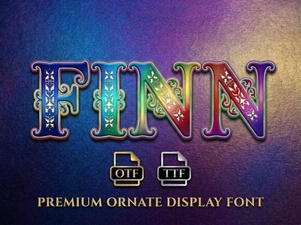 Finn Font: Typography for Craft & Creative Projects
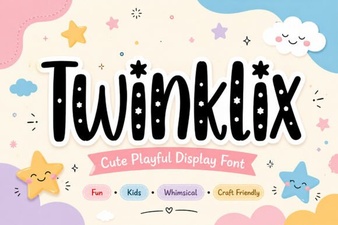 Discover the Twinklix Font for Creative Design Projects
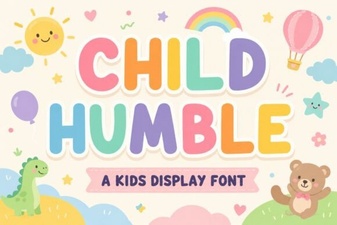 A Friendly Typeface for Children's Projects
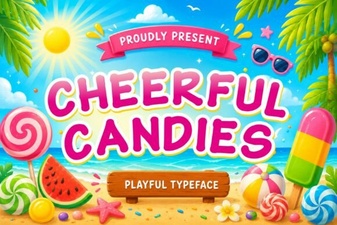 Cheerful Candies: a Playful Typography Guide
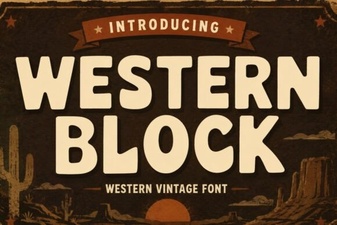 Western Font Designs for Modern Creative Projects
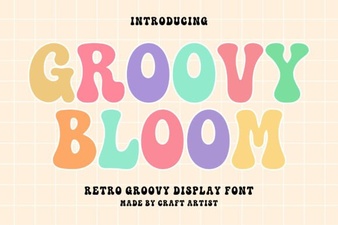 Groovy Bloom Font: Creative Display for Projects