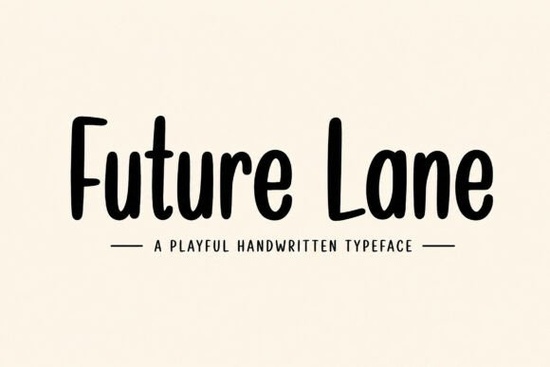
Finding the right typeface for a project often comes down to the feeling you want to convey. If you need something that feels personal and warm, a handwritten style is usually the best choice. The Future Lane font offers a playful handwritten design that brings charm to creative work. With its bold strokes and organic curves, it stands out without sacrificing readability. This makes it a strong option for designers who want a modern touch with a human feel.
What makes this typeface unique?
This typeface is designed with natural flow in mind. Unlike rigid geometric fonts, it mimics the movement of a real pen on paper. The bold strokes give it presence, while the organic curves keep it friendly. It avoids looking too messy, which is a common issue with casual scripts. You get the personality of handwriting with the clarity needed for professional use. This balance allows it to work well in both casual and semi-formal settings.
Many script fonts struggle when scaled down, but this one maintains its shape. The spacing is handled well, preventing letters from clumping together. This attention to detail means you do not have to spend hours adjusting kerning before you start designing. It is ready to use for logos, quotes, or headlines where you need immediate impact.
Where does this font work best?
Versatility is key when building a design asset library. This typeface fits nicely into several niches, especially for print-on-demand sellers. It looks great on t-shirts and mugs where a handcrafted feel adds value to the product. Social media graphics also benefit from this style, as it stops the scroll with its unique character.
Branding materials are another strong use case. If you are creating a logo for a boutique, a cafe, or a creative studio, this font adds a unique identity. It pairs well with product packaging, giving items a bespoke look. Book covers and stationery designs also gain a personal touch when using this style. Essentially, any project that needs to feel approachable and human can benefit from this typeface.
How should you pair it with other text?
Using a expressive script on its own is fine for headlines, but body text needs something simpler. Minimalist sans serif fonts are the best partner here. They provide a clean contrast that lets the handwritten style shine without competing. If you are looking for other script options to compare styles, you might explore softer options like Babyboy for a gentler vibe.
For projects requiring a bit more bounce, Snuggle Bunny offers a different kind of playful energy. It is helpful to have a few variations in your toolkit. Sometimes you need something slightly more formal, like Morning Signatures, which leans into a classic signature look. Having these alternatives allows you to match the font to the specific mood of the brand.
Floral or feminine designs might benefit from something like Magnolia, which often carries those decorative elements. Knowing when to switch between these styles is part of good typography practice. The goal is always balance. Do not overcrowd the design with too many competing fonts. Stick to one main display font and one simple font for details.
What about file formats and licensing?
When downloading new assets, always check the file types included. Most modern font packages come with OTF, TTF, and WOFF files. This ensures compatibility across different software like Adobe Illustrator, Photoshop, or Canva. Web projects will require WOFF files for fast loading times, while print work usually relies on OTF or TTF.
Licensing is another critical factor. Most fonts on creative marketplaces allow commercial use, but you should always read the specific terms. Some licenses require an extended upgrade for certain uses, like large-scale merchandise sales. Ensure you are covered before selling products featuring this typography. Keeping track of your licenses helps avoid legal issues down the line.
Practical tips for using handwritten fonts
To get the best results, keep these points in mind before finalizing your design:
- Check readability: Ensure the text is legible at smaller sizes.
- Limit usage: Use display fonts for headlines, not long paragraphs.
- Contrast colors: Make sure the text stands out against the background.
- Verify license: Confirm commercial rights before selling products.
- Test pairings: Try different sans serif fonts to find the best match.
Starting with a solid typeface saves time during the design process. When the font does the heavy lifting, you can focus on layout and color. Whether you are making a logo or a social media post, the right choice makes the work feel complete. Take the time to experiment with spacing and sizing to see what fits your project best.
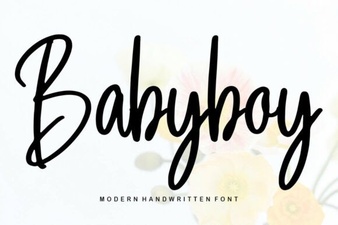 Babyboy Font Designs for Creative Projects
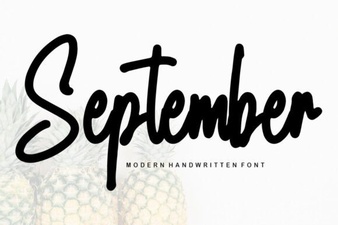 Best September Fonts for Your Autumn Projects
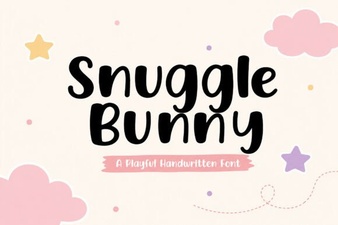 Snuggle Bunny Font: Creative Design & Usage Ideas
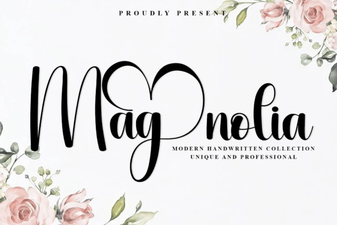 Beautiful Fonts & Elegant Typography with Magnolia
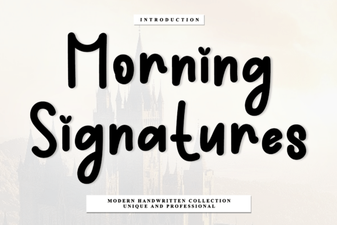 Morning Signatures: Elegant Fonts for Creative Projects
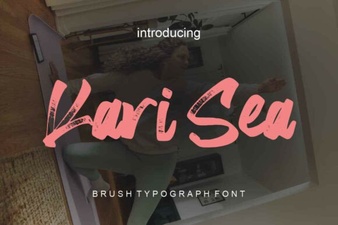 Kari Sea Font: Unique Design for Creative Projects