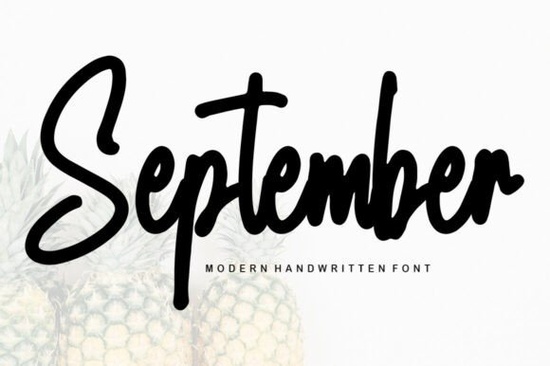
Choosing the right typography can make or break a design project, especially when you want to convey warmth and personality. Handwritten styles are perfect for adding a human touch to digital or print work. The September Font is a sweet and friendly handwritten option that fits this need perfectly. It is cute and versatile, making it ideal for writing wedding invitations, cards, or any other design that might need a fun touch. If you are looking for something that feels personal without being messy, this typeface is a strong contender.
What style does this typeface offer?
This script falls into the category of casual handwriting. It mimics the flow of a pen moving across paper, which creates an immediate connection with the viewer. Unlike rigid serif or sans-serif fonts, this style feels approachable. The curves are smooth, and the spacing is balanced, ensuring readability even at smaller sizes.
When browsing for similar vibes, you might explore flowing script styles that offer a bit more elegance if your project requires a formal touch. However, for a balance between fun and legible, this option stands out. It works well for designers who want to avoid the overly dramatic flourishes found in some elegant script alternatives. The goal is to keep the message clear while maintaining a handcrafted aesthetic.
Legibility is key for invitations where guests need to read dates and locations quickly. This font manages to keep characters distinct while maintaining a connected look. It is not as rigid as a modern script option, which gives it more character. For crafters using cutting machines, the paths are usually clean, making it easier to weed vinyl or prepare files for print.
Which projects suit this lettering best?
Because of its friendly nature, this typeface shines in personal and celebratory contexts. Wedding stationery is a top use case. You can use it for the main names on an invite or for details on RSVP cards. It also works wonderfully for greeting cards, whether for birthdays, holidays, or thank-you notes.
Print-on-demand sellers can also benefit from this style. It looks great on t-shirts, mugs, and tote bags where a personal message is needed. If you are creating designs for babies or children, you might compare it with softer typefaces designed for nursery themes. However, this script is versatile enough for adult occasions too.
Small business owners often use these fonts for logos or social media graphics. It helps brand a business as approachable and kind. For example, a bakery or a handmade jewelry shop could use this for their packaging labels. If you need something that looks like a personal signature, this is a great middle ground. It is not too messy, but it still feels authentic.
How do you combine it with other elements?
Pairing scripts with other fonts is essential for a balanced layout. A good rule of thumb is to combine a handwritten style with a clean sans-serif. This creates contrast and helps important information stand out. You might use the script for headings and a simple font for body text.
For playful projects, you could experiment with bouncy lettering as a secondary accent, but be careful not to overcrowd the design. Stick to two font families maximum. Color also plays a role; soft pastels or classic black and white work best with this style. Avoid neon colors unless the design specifically calls for high energy.
Technical compatibility is another factor. Most modern fonts come in OTF, TTF, and WOFF formats. This ensures you can use them in software like Adobe Illustrator, Photoshop, or even free tools like Canva. Always check the license agreement before using the font for commercial goods. Many creators allow unlimited commercial use, but it is important to verify if there are restrictions on print-on-demand platforms.
What should you check before downloading?
Before adding any new typography to your toolkit, there are a few practical steps to ensure it fits your workflow. Here is a quick checklist to help you decide:
- Read the License: Confirm if you can use it for client work or physical products for sale.
- Check File Formats: Ensure you have the right files for your software (OTF for desktop, WOFF for web).
- Test Legibility: Type out a sample sentence to see how the letters connect at different sizes.
- Look for Alternates: See if the font includes alternate characters to avoid repetitive looks in your design.
- Verify Language Support: If you work with international clients, check if it supports special characters or accents.
Taking these steps saves time and prevents issues later in the design process. Whether you are making a single invitation or building a brand identity, the right font makes the work feel complete. This particular script offers a reliable foundation for many creative tasks.
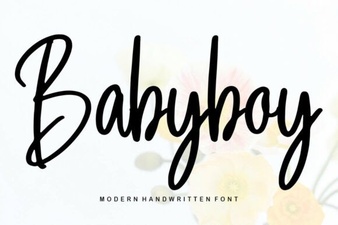 Babyboy Font Designs for Creative Projects
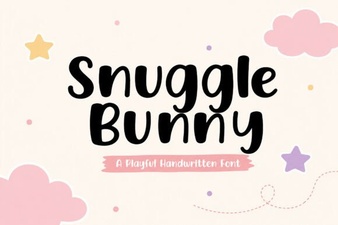 Snuggle Bunny Font: Creative Design & Usage Ideas
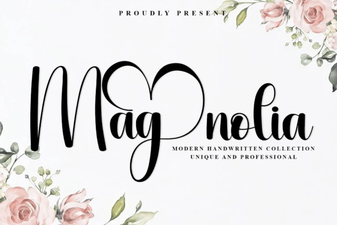 Beautiful Fonts & Elegant Typography with Magnolia
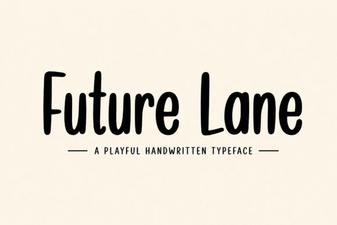 Future Lane Font: Design Guide & Creative Uses
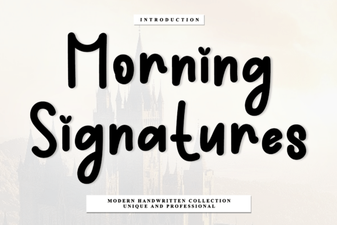 Morning Signatures: Elegant Fonts for Creative Projects
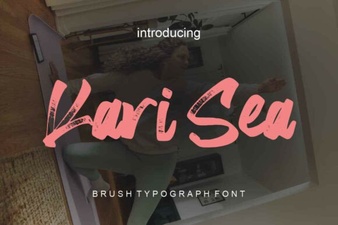 Kari Sea Font: Unique Design for Creative Projects