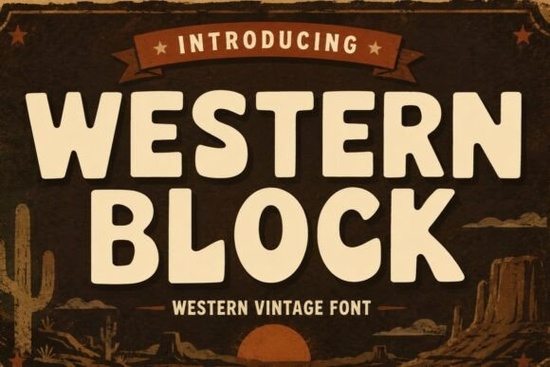
Choosing the right typography for a project can make or break the final design, especially when you are aiming for a specific theme like the Wild West. If you are working on cowboy-themed branding, ranch logos, or rustic packaging, you need a typeface that conveys strength and history. The Western Block Font is designed exactly for this purpose. It offers bold letterforms that capture the rugged spirit of the frontier without looking overly cartoonish. This makes it a solid choice for designers who want authenticity in their vintage-inspired projects.
Many creatives struggle to find display fonts that remain readable while still carrying a strong character. This typeface solves that problem by balancing thick strokes with clear spacing. Whether you are creating saloon signs or country music artwork, the goal is to grab attention immediately. A font like this helps your text stand out on apparel designs or posters where visual impact is crucial. It works well for small businesses looking to establish a memorable identity in a crowded market.
What kind of projects suit this style?
This type of typography shines when used in contexts that require a sense of tradition or adventure. It is not just for western movies; it fits any brand that wants to appear sturdy and reliable. For example, crafters making labels for homemade jams or BBQ sauces can use it to suggest a rustic, homemade quality. Print-on-demand sellers often look for graphics that appeal to specific niches, and this style fits the country lifestyle niche perfectly.
When pairing this bold display font with other elements, contrast is key. You might want a cleaner sans-serif for body text to ensure readability. If you are exploring other display options for different parts of your project, you might consider Inell for a different structural feel. For something slightly more understated but still distinct, Initial Simple could work well for secondary headings. The idea is to let the western style take the lead while supporting fonts handle the details.
How do you choose the right display font?
Selecting a font goes beyond just liking the shape of the letters. You need to consider where the text will appear. Will it be printed on a large banner or a small business card? Legibility at different sizes is important. Some display fonts lose their charm when scaled down, but strong block letters tend to hold up better. You should also think about the mood you want to set. While western themes are bold, sometimes you need something lighter for contrast.
If your project requires a softer touch, perhaps for a children's book or a playful invitation, you might look at Cheerful Candies. For projects that need a sense of time or urgency, Moment offers a different vibe entirely. Understanding the emotional weight of each font helps you build a cohesive design system. It is about matching the tool to the task rather than forcing a style where it does not fit.
Is this font easy to use for beginners?
Most modern display fonts come in standard formats like OTF or TTF, which work across major design software. This means you can use them in programs like Photoshop, Illustrator, or even free tools like Canva. Installation is usually straightforward, allowing hobbyists to start creating quickly without technical hurdles. Multilingual support is another factor to check if you plan to sell products internationally.
For those who enjoy experimenting with handwritten styles alongside their display choices, Finn provides a nice script alternative. Combining a bold western header with a fluid script can create a dynamic look for logos. Always test your combinations before finalizing a design. Print a sample or view it on a mobile screen to ensure the spacing looks correct. Good typography should feel invisible, guiding the viewer through the message without distraction.
Design Checklist for Western Themes
- Check Legibility: Ensure text is readable at small sizes on packaging.
- Match the Mood: Use bold fonts for headers and simpler ones for body text.
- Test Colors: Earth tones like brown, tan, and deep red often complement western styles.
- Verify Licensing: Always check if the font allows commercial use for your products.
- Export Correctly: Save files in high resolution for print-on-demand requirements.
Start by downloading the font and typing out your brand name. See how it feels next to your logo icon. If it looks balanced, you are on the right track. Remember, the best design choices are the ones that communicate your message clearly and effectively.
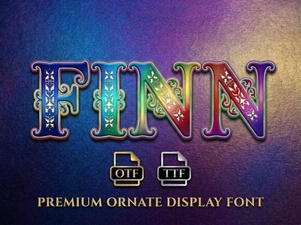 Finn Font: Typography for Craft & Creative Projects
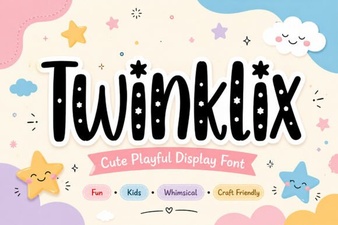 Discover the Twinklix Font for Creative Design Projects
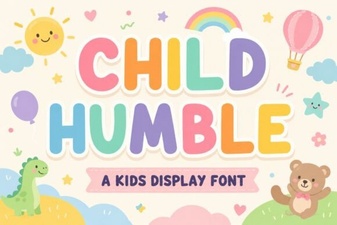 A Friendly Typeface for Children's Projects
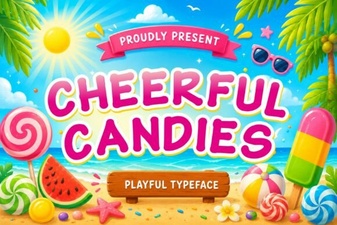 Cheerful Candies: a Playful Typography Guide
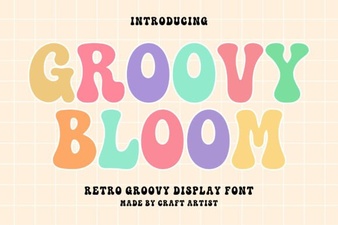 Groovy Bloom Font: Creative Display for Projects
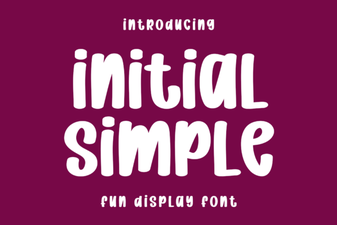 Initial Simple Font: Free Download and Design Ideas