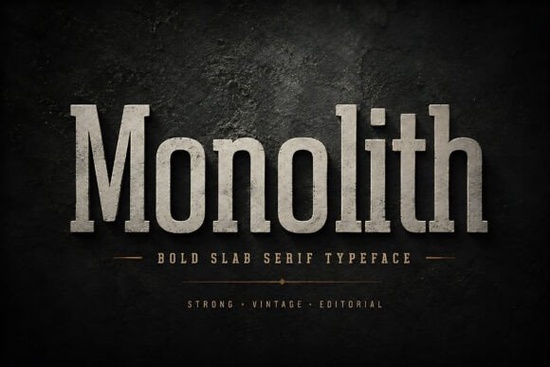
Finding the right typography for branding can be tough. You need something that speaks loudly without shouting. The Monolith Font is designed exactly for this purpose. It brings a sense of heritage and strength to any project. When you are building a brand identity, the typeface you choose sets the tone immediately. This specific serif option offers a rugged charm that feels both vintage and premium. It works well for designers who want to avoid generic sans-serif styles and need something with more personality.
What design styles fit this typeface?
This typeface draws inspiration from classic western signage and old-school editorial typography. If you are working on a project that requires a masculine touch, this is a strong candidate. The solid structure of the letters ensures readability even at smaller sizes, while the vintage-inspired details add character. It is not just about looking bold; it is about conveying trust and stability. Brands in the spirits industry, such as whiskey or bourbon labels, often rely on this aesthetic. It suggests history and quality without needing extra explanation.
Beyond packaging, this style fits well within heritage branding. Think of rustic ranch logos or luxury goods that want to emphasize craftsmanship. The bold weight helps headlines stand out on posters or magazine covers. When you browse through this bold serif option, you will notice the attention to detail in the letterforms. Each character is crafted to maintain consistency, which is crucial for professional-looking designs. You do not want uneven spacing or awkward curves when printing on large formats.
Where should you use this font?
There are several practical applications where this typography shines. Here are some of the best use cases for designers and small business owners:
- Logo Design: The sturdy letterforms make for memorable company marks.
- Packaging: Ideal for labels on bottles, boxes, or bags that need shelf presence.
- Apparel: Works well on t-shirts and hats where text needs to be readable from a distance.
- Editorial: Great for magazine titles or book covers that require a strong voice.
- Posters: Perfect for event flyers or promotional materials that need to grab attention.
Using a font with this much character means you often do not need many graphical elements. The typography itself can act as the main visual hook. This simplifies the design process and keeps the focus on the message. For print-on-demand sellers, this is particularly useful. You can create text-based designs that sell well without needing complex illustrations. The versatility allows you to adapt it for different niches, from outdoor gear to artisanal food products.
Are there similar options available?
Sometimes you need variations to fit different parts of a brand identity. While this typeface is excellent for headlines, you might need something slightly different for body text or secondary logos. You might consider looking at styles like Maverick for a different vibe. Exploring similar rugged typefaces can help you build a cohesive family of fonts. Consistency across your materials makes your brand look more established. It is common to pair a bold serif headline font with a simpler sans-serif for smaller text.
When selecting alternatives, keep the x-height and weight in mind. You want the fonts to complement each other rather than compete. If your headline is heavy and commanding, your body text should be clean and legible. This balance ensures that customers can read the important details without getting distracted. Testing different combinations on mockups is the best way to see how they work together. Always check how the pairing looks on both light and dark backgrounds.
How do you pair this with other elements?
Simplicity is key when working with bold typography. Since the letters have a strong presence, keep the surrounding design elements minimal. Use plenty of white space to let the text breathe. If you add textures, make sure they do not reduce legibility. Distressed overlays can work well with this vintage style, but use them sparingly. The goal is to enhance the heritage feel, not to make the text hard to read.
Color choice also plays a significant role. Earth tones, deep blacks, and creams often complement this aesthetic. Avoid neon or overly bright colors unless you are aiming for a specific ironic look. The font suggests tradition, so your color palette should support that narrative. For digital use, ensure the contrast ratio meets accessibility standards. This ensures that everyone can read your content, regardless of their device or visual abilities.
Is it suitable for commercial projects?
Most professional fonts come with licenses that allow commercial use, but you should always verify the specific terms. For small businesses and freelancers, having the right license is critical to avoid legal issues. This typeface is built for creators who intend to sell their designs. Whether you are making logos for clients or printing shirts for your own store, check the usage rights. Understanding the license protects your business and respects the work of the type designer.
Once you have the files, organize them properly on your computer. Keep the web fonts separate from the desktop versions to avoid confusion during installation. Test the font in your design software before starting a major project. This helps you identify any kerning issues or special characters you might need. Being prepared saves time and ensures a smoother workflow from concept to final delivery.
Quick Design Checklist
Before finalizing your project, run through these simple steps to ensure quality:
- Check legibility at different sizes, especially on mobile screens.
- Verify the commercial license covers your specific use case.
- Test color contrast to meet accessibility standards.
- Pair with a simple secondary font for body text.
- Review the design on a physical mockup if possible.
Taking these steps ensures your final output looks professional and functions well. Good typography is an investment in your brand's perception. By choosing strong, character-driven fonts, you give your audience a clear idea of who you are. Start experimenting with layouts today to see how this style transforms your work.
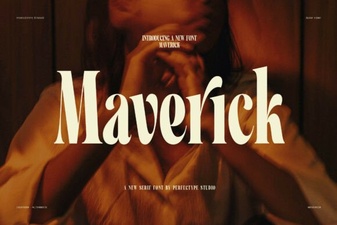 Maverick Font: Creative Design Ideas
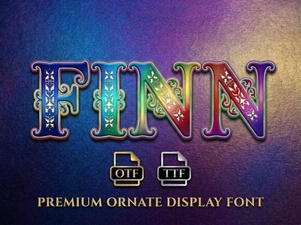 Finn Font: Typography for Craft & Creative Projects
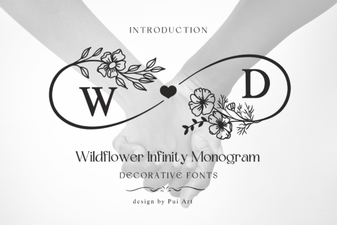 Wildflower Infinity Font for Monogram Art Projects
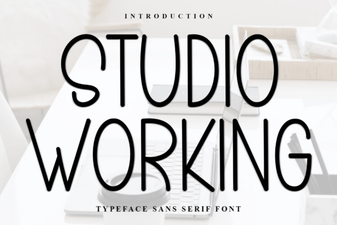 Fonts for Designers: the Studio Working Toolkit
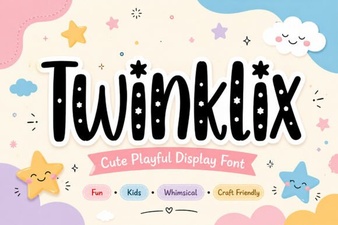 Discover the Twinklix Font for Creative Design Projects
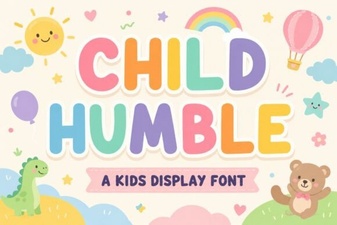 A Friendly Typeface for Children's Projects