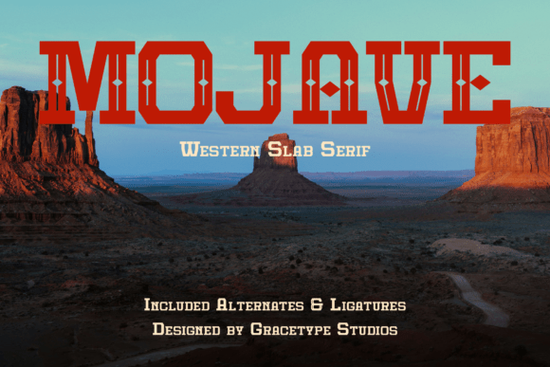
When a project demands attention, subtle typography often falls short. You need letters that stand firm, carry weight, and communicate strength without shouting. This is where a robust display typeface becomes essential for branding and headlines. The Mojave Font is designed specifically for these high-impact moments. It brings a powerful, timeless weight to your creative canvas, serving as a premium Heritage Slab Serif option for designers who need clarity and presence.
Many creators struggle to find a font that balances vintage aesthetics with modern readability. Often, heavy fonts become illegible at smaller sizes, or lightweight fonts disappear on busy backgrounds. This typeface engineers a solution through massive, extra-bold block characters. The unyielding slab serifs and strong vertical stems anchor each letter with a commanding structural stance. Whether you are designing a logo for a craft brewery or a header for an adventure magazine, the geometry ensures the text remains readable.
What makes this typeface stand out?
The core appeal lies in its hard, geometric transitions. Unlike softer serif fonts that mimic handwriting or traditional print, this style mimics industrial stamping and signage. The clean lines and heavy presence ensure absolute readability even when viewed quickly on a mobile screen or a moving vehicle.
Designers appreciate the all-caps structure because it enforces a uniform height across the text line. This creates a solid block of color and texture that works well as a graphical element, not just text. When you pair this with adequate kerning, the letters breathe enough to maintain clarity while keeping that tight, rugged look. It is not just about writing words; it is about building a visual structure that supports your brand identity.
Where should you use this style?
Choosing the right font depends heavily on the industry and the emotion you want to evoke. Because of its rugged outdoor appeal and industrial roots, this typeface fits specific niches perfectly. It is the premier choice for vintage craft brewery branding, where tradition and quality are key selling points. It also works exceptionally well for rugged outdoor apparel logos that need to withstand scrutiny on tags and websites.
Other effective use cases include:
- Artisanal product packaging: Think coffee bags, soap labels, or handmade goods.
- Automotive or hardware design systems: Parts catalogs, workshop signage, or tool branding.
- High-contrast social media headlines: Posts that need to stop the scroll immediately.
- Adventure magazine headers: Titles that suggest exploration and durability.
If you are working on a project that requires this level of boldness but want to see variations, you might want to explore similar slab serif designs to compare weights and styles. Sometimes a slightly lighter weight works better for body text, while this extra-bold version dominates as a headline.
How do you pair it with other elements?
Working with such a heavy font requires balance. Since the characters are massive and blocky, they can overwhelm a layout if not managed correctly. You should pair this typeface with simpler, lighter sans-serif fonts for body copy. This creates a hierarchy where the headline commands attention, and the supporting text provides information without competing.
Color choice is also critical. White text on a dark background often maximizes the impact of the slab serifs. Alternatively, using a textured background like worn paper or concrete can enhance the vintage industrial aesthetic. Avoid placing this font over busy photographs unless you add a solid drop shadow or a background box to ensure the hard edges remain distinct.
Practical tips for implementation
Before finalizing your design, consider how the font renders across different mediums. Print requires high-resolution vectors, while web usage needs proper loading formats. Always check the licensing terms to ensure you have the right permissions for commercial use, especially if you are selling print-on-demand products. Small businesses and creative hobbyists should verify if the license covers merchandise resale.
Here is a quick checklist to ensure you are using bold typography effectively:
- Check contrast: Ensure the font color stands out sharply against the background.
- Adjust spacing: Increase letter spacing slightly to prevent the bold stems from merging.
- Limit usage: Use this style for headlines and logos, not long paragraphs.
- Test readability: View your design on a phone screen to confirm legibility at small sizes.
- Verify license: Confirm your subscription or purchase covers your specific commercial needs.
Strong typography acts as the backbone of visual communication. When you select a tool like this, you are choosing stability and authority. By understanding where and how to apply these heavy block characters, you can create designs that feel established and trustworthy. Take the time to experiment with spacing and pairing, and let the structural integrity of the font do the heavy lifting for your brand.
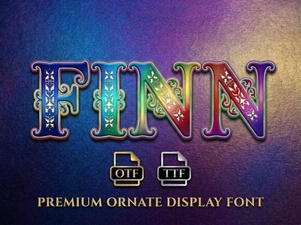 Finn Font: Typography for Craft & Creative Projects
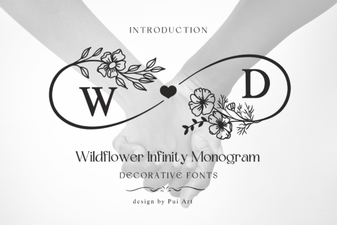 Wildflower Infinity Font for Monogram Art Projects
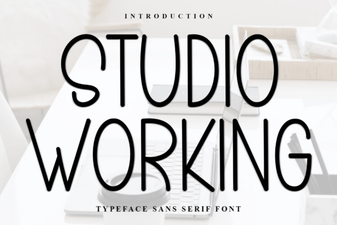 Fonts for Designers: the Studio Working Toolkit
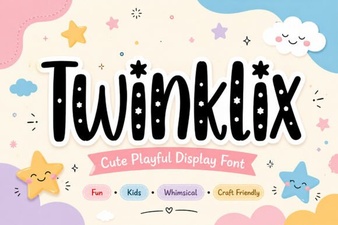 Discover the Twinklix Font for Creative Design Projects
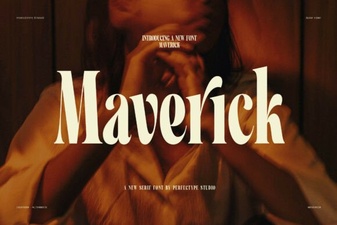 Maverick Font: Creative Design Ideas
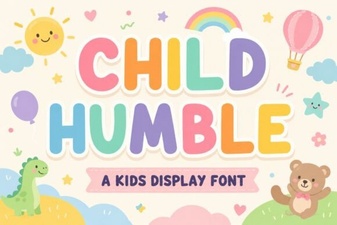 A Friendly Typeface for Children's Projects