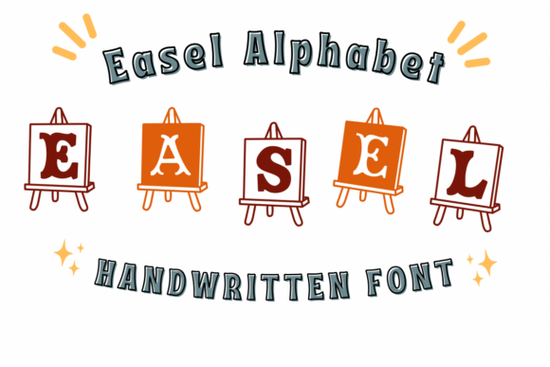
Finding the right typeface for playful projects can be tricky. You want something that feels handmade and warm but still reads clearly on a screen or printed page. That is where Easel Alphabet Font comes in. It brings a charming, tactile dimension to your design canvas without sacrificing legibility. This hand-crafted sans-serif option mimics the layered aesthetic of geometric cutouts, making it a strong choice for creators who want their work to stand out with a friendly, organic rhythm.
What makes this typeface unique?
The design relies on clean lines and slightly asymmetrical stems that give it a human touch. Unlike standard digital fonts that look perfectly uniform, this typeface features gently rounded edges. Each letterform is built with distinct structural overlaps, such as nested crossbars and split joints. These details give it a subtle dimensional look that retains excellent clarity. When you are working on a project that needs to feel approachable, these small imperfections add character. They suggest that care was taken in the creation process, which resonates well with audiences looking for authenticity.
For designers who enjoy working with decorative styles, exploring this layered typeface collection can provide more context on how similar fonts function in a layout. The key is balancing the novelty elements with enough whitespace so the text does not feel cluttered. Because the letters have built-in depth, they work best at larger sizes where those details can be appreciated.
Where does this style work best?
This font is the premier choice for children's educational book headings. The playful structure captures attention without being distracting. It is also suitable for playful craft branding, where a stiff corporate look would feel out of place. If you run a small business selling youth-focused product packaging, this typeface can help convey a sense of fun and creativity. Creative event invitations benefit from this vibe as well, especially for birthdays or school-related gatherings.
Vibrant social media titles seeking a cheerful, modern, and arts-and-crafts-inspired aesthetic also perform well with this style. When posting on platforms like Instagram or Pinterest, your text needs to pop against various backgrounds. The geometric cutout style ensures that your words remain readable even when placed over colorful images. For print-on-demand sellers, this means your designs will translate well onto t-shirts, mugs, and tote bags where clarity is essential for sales.
How should you pair it with other text?
Since this is a display typeface, it should not be used for long body paragraphs. It shines in headlines, logos, and short phrases. To create a balanced design, pair it with a simple, neutral sans-serif font for your supporting text. This allows the decorative elements to take center stage without competing for attention. If you want to add a touch of elegance to contrast the geometric shapes, consider mixing it with flowing monogram styles. This combination works particularly well for wedding crafts or boutique branding where you need both playfulness and sophistication.
When combining fonts, ensure there is enough contrast in weight and structure. If your main header is bold and layered, keep your subheaders light and clean. This hierarchy guides the viewer's eye through your content logically. Always test your combinations on different devices to ensure the pairing holds up on mobile screens as well as desktop monitors.
What should sellers know before using this?
If you are using this for commercial projects, always check the license terms associated with the download. Most creative marketplaces offer different licenses for personal and commercial use. For print-on-demand, ensure you are compliant with the platform's rules regarding typography. It is also wise to convert your text to outlines before sending files to print. This prevents any font substitution issues that might occur if the printer does not have the file installed on their system.
Color choice matters significantly with layered fonts. Because the letters have internal splits and overlaps, using a single flat color might hide some of the design work. Consider using two slightly different shades of the same color to highlight the dimensional aspects. Alternatively, a solid bold color against a light background ensures maximum readability. Test your designs in grayscale to verify that the contrast is sufficient for all users.
Quick checklist for your next project
- Check legibility: View your design at 100% zoom to ensure the split joints are clear.
- Verify licensing: Confirm you have the right license for commercial or client work.
- Test contrast: Make sure the text stands out against your chosen background image or color.
- Pair wisely: Use a simple secondary font for body text to avoid visual clutter.
- Export correctly: Convert text to paths or outlines before sending to print vendors.
Taking these steps ensures your final product looks professional and polished. Whether you are designing a book cover or a social media graphic, the right tools make the process smoother. Start by experimenting with different letter spacings to see how the overlaps interact. With a bit of adjustment, you can create vibrant titles that feel both modern and handmade.
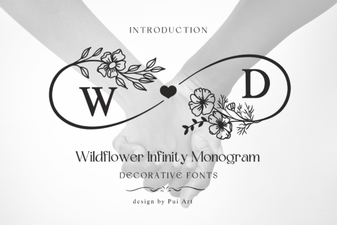 Wildflower Infinity Font for Monogram Art Projects
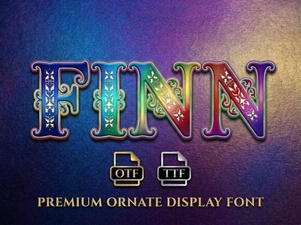 Finn Font: Typography for Craft & Creative Projects
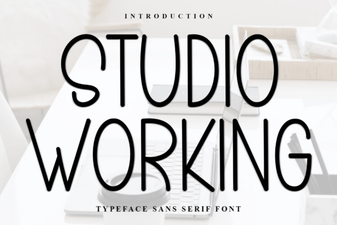 Fonts for Designers: the Studio Working Toolkit
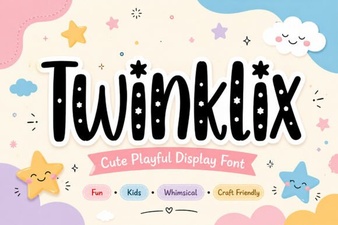 Discover the Twinklix Font for Creative Design Projects
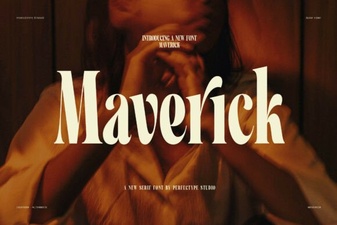 Maverick Font: Creative Design Ideas
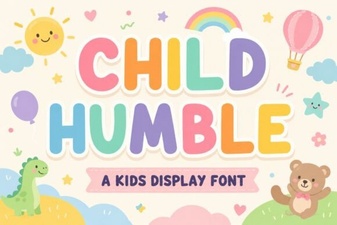 A Friendly Typeface for Children's Projects