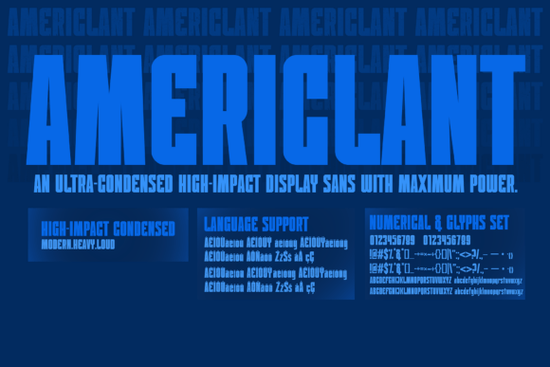
Finding the right typography for bold projects often comes down to readability and impact. If you need a typeface that commands attention without cluttering the design, the Americlant Font is built for exactly that purpose. It is an ultra-condensed sans serif that focuses on vertical presence and strong geometric cuts. Designers working on merchandise, posters, or branding often need letters that fit into tight spaces while remaining legible from a distance. This typeface delivers that high-impact look with a modern, rugged edge that suits various industrial or athletic themes.
What makes this typeface unique?
The core strength of this font lies in its dual-style approach. You get a crisp, sharp regular version that works well for modern layouts requiring clean lines. Alongside that, there is a grit-textured "Grunch" version. This alternative adds a worn, vintage feel perfect for projects that need an authentic, weathered aesthetic. The tight kerning allows you to set large headlines without taking up too much horizontal space. This vertical emphasis makes it a reliable workhorse for newsroom-style headers or packaging where space is limited.
Many condensed fonts lose readability when scaled down, but the sharp internal cuts here help maintain character distinction. Whether you are designing a logo for a sports team or a headline for a event poster, the structure holds up well. The Grunch style specifically adds texture without sacrificing the underlying shape of the letters, ensuring your message remains clear even with the added visual noise.
Where should you use this style?
This typeface shines in environments where bold statements are necessary. It is particularly effective for print-on-demand sellers creating t-shirt designs. The thick strokes survive the printing process well, and the condensed width allows for longer phrases to fit across the chest without wrapping awkwardly. Branding projects also benefit from the authoritative feel. If you are building an identity for a gym, a construction firm, or a streetwear label, this font communicates strength and reliability.
Posters and flyers benefit from the massive vertical presence. You can stack letters or use them as background elements without them becoming too wide. For digital use, it works best in large sizes such as banners or thumbnail text where the geometric details remain visible. Avoid using it for long body text, as the condensed nature can strain the eyes over multiple paragraphs. Stick to headlines, logos, and short calls to action for the best results.
What if you need a different vibe?
Sometimes a project calls for something less aggressive or more stylized. If you are looking for alternatives that still offer strong display characteristics but with different personalities, there are plenty of options to explore. For designs that need a more retro flow, you might consider this groovy style which offers a softer, 70s-inspired look. If your work requires solid structure without the rugged texture, structured lettering can provide a clean foundation.
For projects targeting a younger audience or needing a lighter touch, a humble style might fit better than industrial sans serifs. When working on playful projects like party invites or candy packaging, sweet display options bring the necessary fun element. Finally, if you are sticking with rugged themes but want a different flavor, rugged themes often pair well with condensed typography to create a cohesive vintage aesthetic.
How do you pair condensed letters?
Pairing ultra-condensed fonts requires balance. Since the main typeface is tall and narrow, it works best when contrasted with something wider or more organic. A simple geometric sans serif in a regular weight makes a good body text companion. Alternatively, a flowing script can soften the rigid lines of the condensed letters for a dynamic logo lockup. Keep the hierarchy clear by using size and weight to distinguish between the headline and the supporting information.
Whitespace is critical when using tight kerning. Give the letters room to breathe so the geometric cuts do not blend together visually. If you are using the Grunch version, keep the background simple to let the texture stand out. Complex backgrounds can fight with the distressed details, making the text hard to read. Always test your designs at actual size before finalizing to ensure the details hold up in production.
Quick Design Checklist
- Check Readability: View your design from a distance to ensure the condensed letters are legible.
- Match the Texture: Use the Regular version for clean brands and Grunch for vintage or athletic looks.
- Balance the Layout: Pair with wider fonts or scripts to avoid a too-narrow overall composition.
- Test Print: Verify that the thick strokes print clearly on your chosen merchandise material.
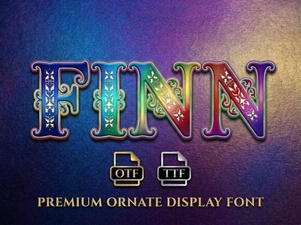 Finn Font: Typography for Craft & Creative Projects
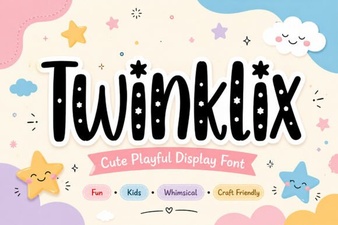 Discover the Twinklix Font for Creative Design Projects
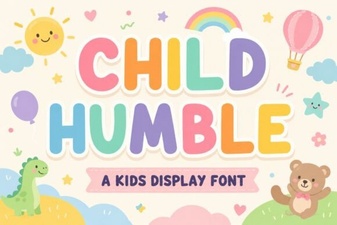 A Friendly Typeface for Children's Projects
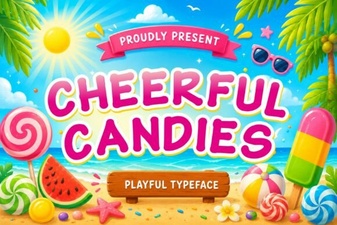 Cheerful Candies: a Playful Typography Guide
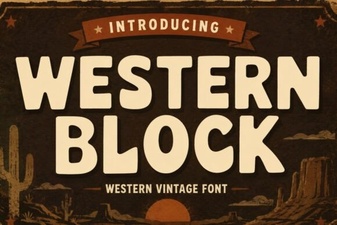 Western Font Designs for Modern Creative Projects
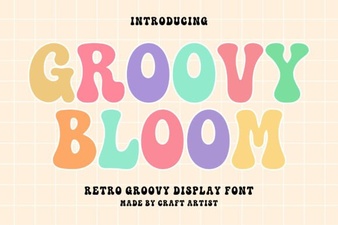 Groovy Bloom Font: Creative Display for Projects