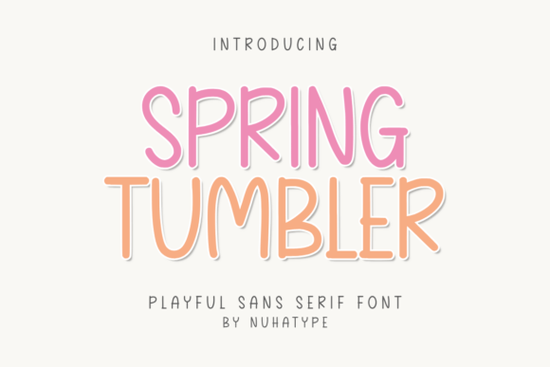
Choosing the right typography can make or break a crafting project, especially when working with limited space on items like tumblers or journals. For creators looking for a clean, modern look, the Spring Tumbler Font offers a versatile solution. This elegantly minimalist typeface mirrors the charm of natural handwriting while maintaining the readability of a thin sans serif. It is designed to bring a simplistic allure to various creative tasks, from planning to physical merchandise.
Many designers struggle to find fonts that look professional yet personal. This typeface bridges that gap by offering understated lines that transform ordinary crafts into extraordinary artistic expressions. Whether you are making stickers, labels, or inspiring quotes, the weight of the letters ensures clarity without overwhelming the design.
What projects work best with thin sans serif styles?
This specific style excels in bringing a simplistic allure to planners, interior KDP books, and journals. Because the lines are thin and clean, they work exceptionally well for projects where space is at a premium. When you are crafting for tumblers, mugs, or tote bags, you need a font that remains legible even when wrapped around a curve. The balanced spacing helps prevent letters from touching or becoming illegible during the weaving process.
Beyond physical products, this font is suitable for digital downloads. If you are creating printable wall art or digital planner inserts, the minimalist aesthetic fits well with current interior design trends. Users often pair this style with floral elements or geometric shapes to create a balanced composition. If you are exploring similar options for your library, you might browse through our collection of minimalist typefaces to see how different weights affect your layout.
How do you ensure compatibility with cutting machines?
For those using Cricut or Silhouette machines, font compatibility is crucial. Most modern sans serif fonts work well with these devices, but thin lines require careful settings. When sending this design to your machine, ensure you select the correct material setting to avoid cutting too deeply or not enough. The clean paths of this typeface usually result in smooth weeding, which saves time during production.
It is also important to consider the software you use. Whether you are working in Illustrator, Photoshop, or Canva, installing the file correctly ensures all glyphs are accessible. Some creators prefer to outline their text before exporting to avoid missing font errors when sharing files with clients. If you need a font that handles well in a busy workspace, looking at options like the studio working font might provide additional utility for your technical drafts.
Where can you find similar minimalist designs?
Variety is key when building a design asset library. While this font offers a specific natural handwriting charm, having alternatives allows you to match different client needs. Sometimes a project requires something slightly more structured, while other times you need more flow. Exploring different families helps you understand how letter spacing and x-height impact readability.
For example, if you want something with a bit more character but still clean, you could examine the Nova Moir font for comparison. On the other hand, if you are looking for something with more creative distortion for artistic headers, the melting font offers a unique twist. Testing these side by side in your mockup software will help you decide which one fits your specific brand identity better.
What should small businesses know about licensing?
If you plan to sell items made with this font, understanding the license is essential. Most fonts on creative marketplaces allow for commercial use on physical end products, such as shirts or mugs. However, rules regarding digital resale often differ. Always read the specific terms provided by the creator to ensure you are compliant.
For print-on-demand sellers, this typeface is a safe choice for text-based designs. It does not rely on complex ligatures that might break during the printing process. Keeping your designs simple reduces the risk of customer complaints regarding quality. Additionally, using a consistent font across your shop helps build brand recognition. Customers begin to associate that specific clean look with your store.
- Check Machine Settings: Always test cut a small sample before running a full batch of tumblers or stickers.
- Review License Terms: Confirm commercial rights before selling products featuring the typography.
- Test Legibility: Print a draft at actual size to ensure thin lines remain visible on the final material.
- Organize Assets: Keep your font files backed up and categorized by style for quick access.
Starting with a reliable typeface simplifies the design process. By choosing a versatile option, you reduce the time spent tweaking letters and focus more on layout and composition. Take a moment to download the file and create a test project today to see how it fits your workflow.
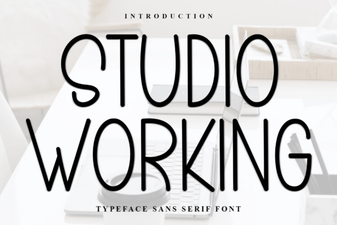 Fonts for Designers: the Studio Working Toolkit
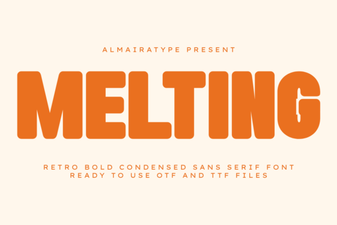 Playful and Creative Melting Font Ideas for Designers
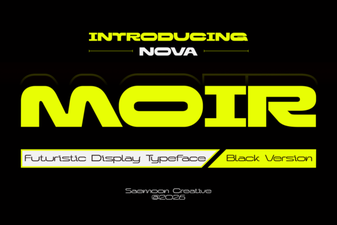 Nova Moir Font: Modern Headers & Creative Text Effects
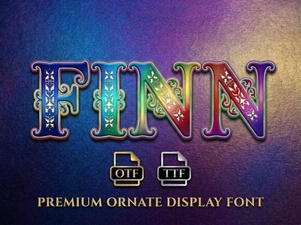 Finn Font: Typography for Craft & Creative Projects
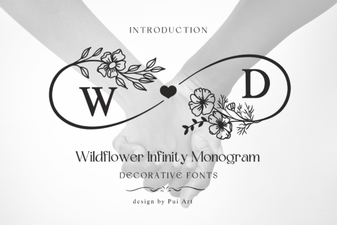 Wildflower Infinity Font for Monogram Art Projects
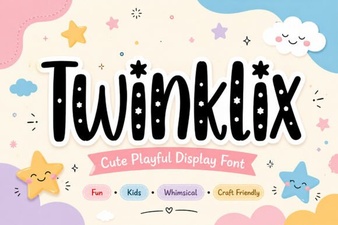 Discover the Twinklix Font for Creative Design Projects